
Real-world problem solving at scale
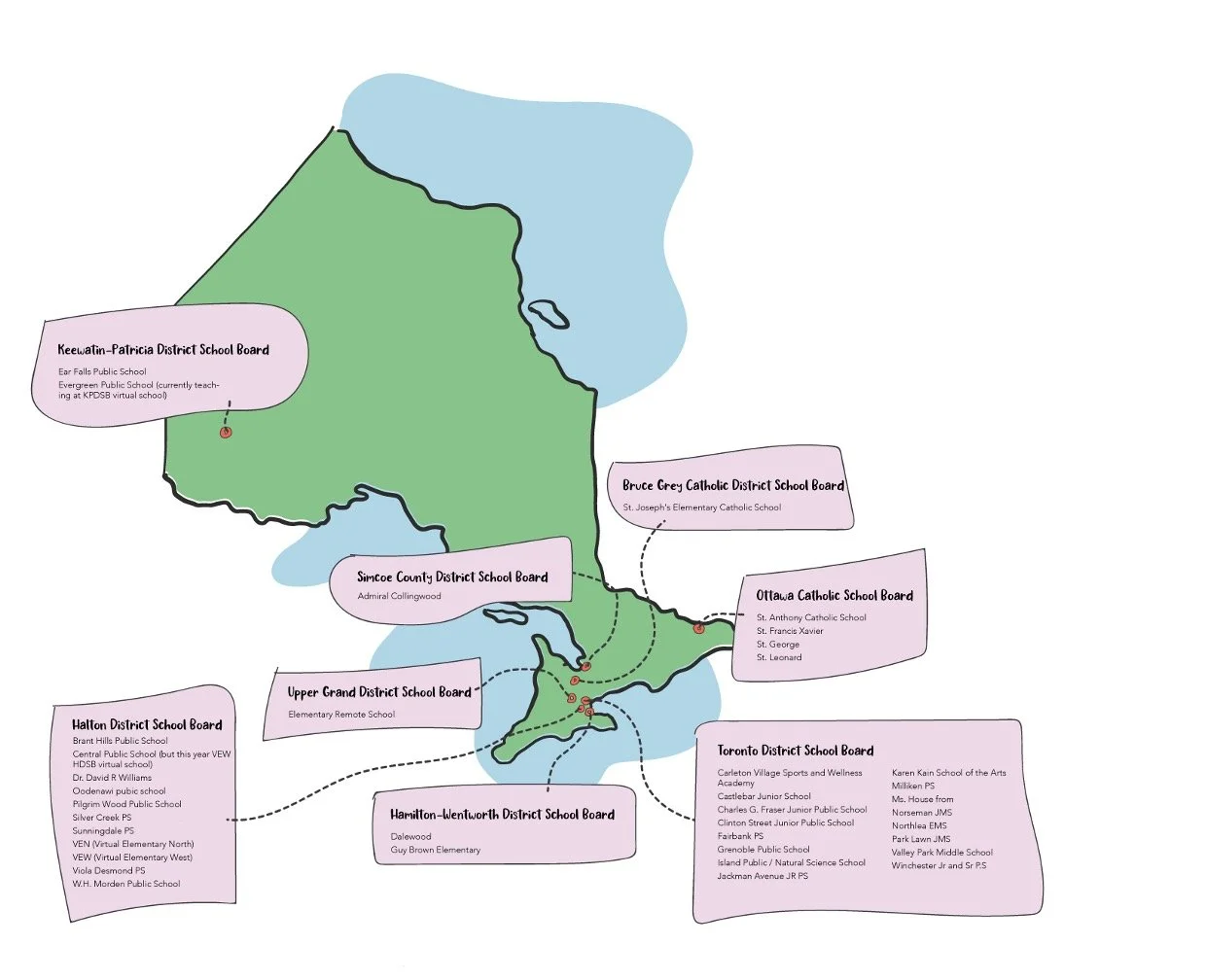
100 classrooms across Ontario took on real-world wellbeing challenges posed by five community organizations. Together, they proved that meaningful, engaging real-world problems can reach classrooms at scale.
“We used our critical thinking skills a lot more in this experience. Normally when you're doing critical thinking skills in school, you're using them for inquiry projects where it feels like you're researching someone else's thinking, but with I-Think you're looking into your own thinking.” — Student, Grade 8
It started with one classroom
Rahim Essabhai's Grade 12 Business Leadership class was the first we worked with where students partnered with community organizations to solve real problems. His students used the Pro-Pro Chart to weigh the benefits of opposing solutions to a problem that mattered to their partner.
When we looked across our work, Rahim's class captured what we hoped every teacher could do: find a real problem and use Integrative Thinking to solve it. It also raised a question. Does every teacher have to find their own partner, or could we find partners for them?
“When you get to work with real-world organizations, you get a sense of discovery of what the world truly looks like and how different communities operate and function.” - Student, Grade 8
Testing the idea: the first challenge kits
Our answer was the Challenge Kit: a real problem with a committed community partner, a guiding question and opposing models.
Over 2 years, we built three to start, partnering with the Toronto and Region Conservation Authority (TRCA), the Crosswalk Company, and Peacebuilders. The participating classrooms were all in the Greater Toronto and Hamilton Area; close to home.
“It's really nice working with a real-world organization and to know that you're solving real-world tangible problems instead of just sitting in class and trying to solve the 45th math problem of the day and not knowing where it goes.” - Student, Grade 8
Going province-wide
With the support of the O’Neil Foundation, we wanted to create a series of challenges on the theme of well-being and asked a bigger question: could we do this at scale, across the province?
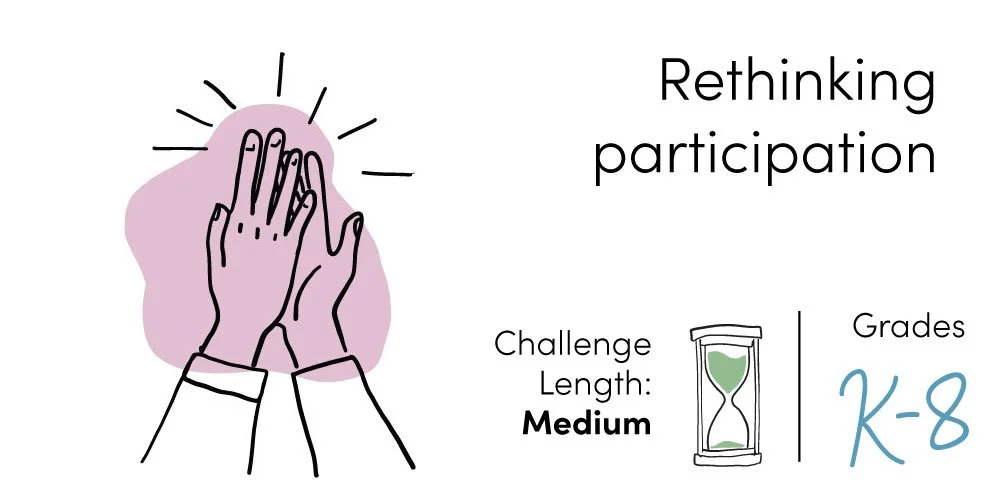
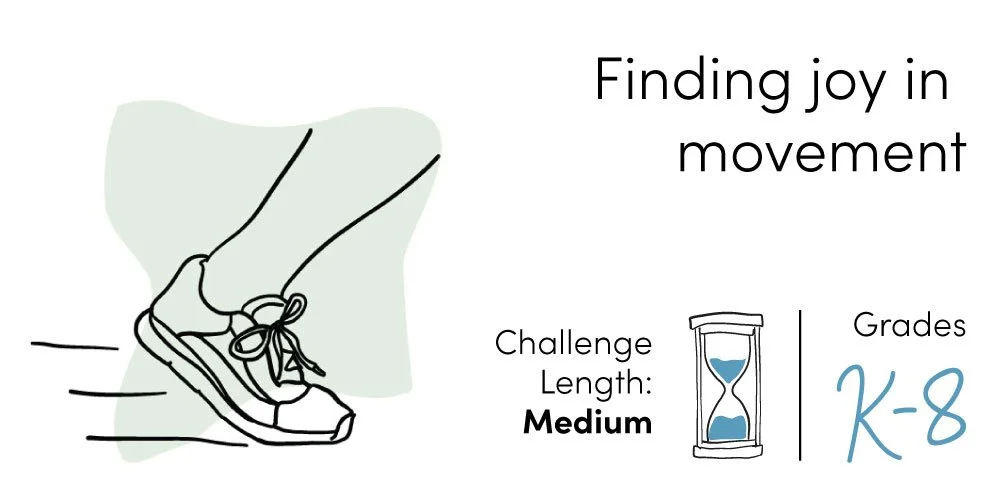
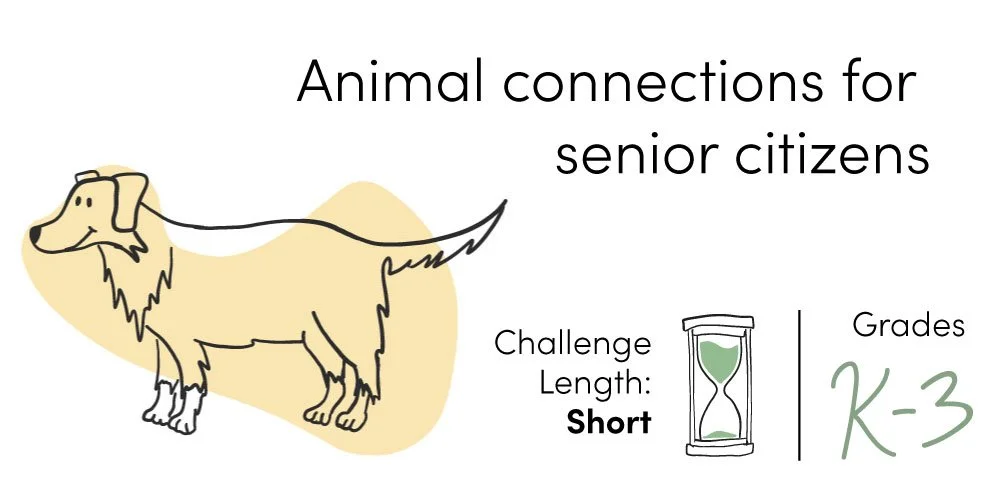
We got excited and went big. Five organizations came on board: the Ontario SPCA, STEPS, Peacebuilders, Friendship in Action, and Ophea. Together we created 13 wellbeing challenges, at least two per organization, and teachers chose the one that fit their class.
They asked questions like:
How might Ophea foster the joy of movement for every student?
How might the Ontario SPCA connect seniors with animals?
How might Friendship in Action decide who gets to participate in their school-based programs?
How might STEPS foster community in changing neighbourhoods?
How might Peacebuilders embed restorative practices in school communities?
We set the launch for spring 2021.
Then the pandemic hit
Every organization had designed an in-person experience, and virtual PD wasn't a thing yet. We had to adapt.
For example, the Ontario SPCA had planned for students to build cat homes and deliver them while touring one of their locations. Instead, they sent kits to classrooms and filmed a video tour. STEPS had planned neighbourhood walks, and instead created an activity around art in the school community instead.
We launched all 13 challenges to work online or in person. In a context that kept changing, teachers could adapt without starting over.
100 teachers and their classrooms said yes!
Dr. Maria Vamvalis led a literature review and research alongside the 100 Classroom Challenge demonstrating its impact.
What we learned
We set out to answer one question: can you create meaningful, engaging real-world problems at scale? The answer was a resounding yes.
The 100 Classroom Challenge proved our thesis. A problem framed with opposing models can scale. We built on what we learned to design every Challenge Kit that followed.
“This is something students are going to remember forever. The freedom of thinking that the Challenge Kit's created in my students is well worth the time and energy that it takes because the takeaway for them is so deep. Once the kids have these tools in their back pocket, because they're so versatile, you can pull them out anytime, however you want to.” - Teacher, Middle School, Halton DSB
