RJS Scholarship in Integrative Thinking
Applications open in February 2027

The RJS Scholarship in Integrative Thinking is for students who have become better thinkers and problem solvers because of their experiences with Integrative Thinking. Successful candidates are able to describe what they learned from Integrative Thinking and Real-World Problem Solving, how their behaviour and thinking has changed, and why that is important to them.
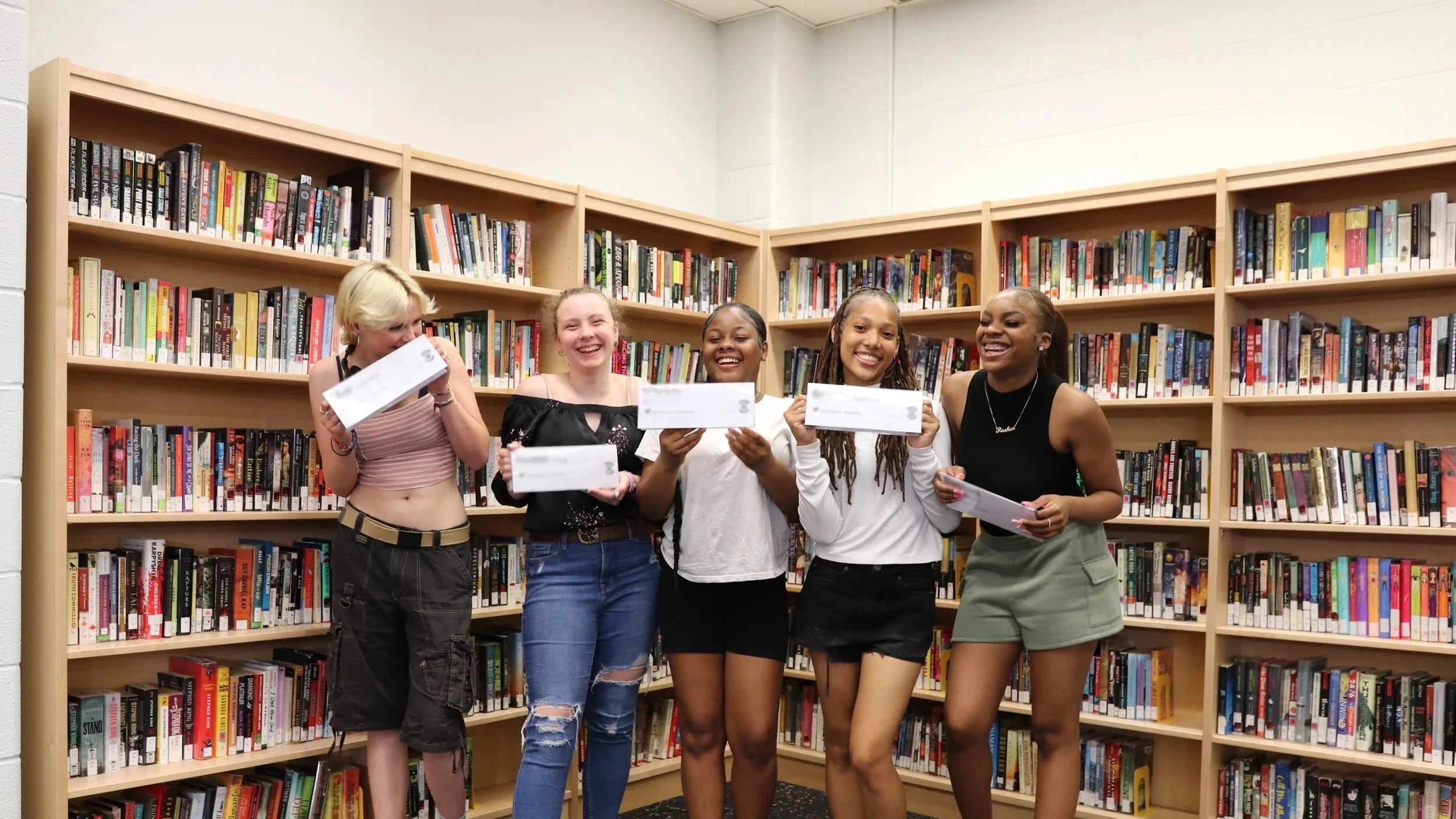
The scholarship provides $4,000 for each year of a student’s undergraduate program at the University of Toronto. Previous scholarship recipients have pursued diverse programs, including political science, art history, biology, biomedical physics and business.
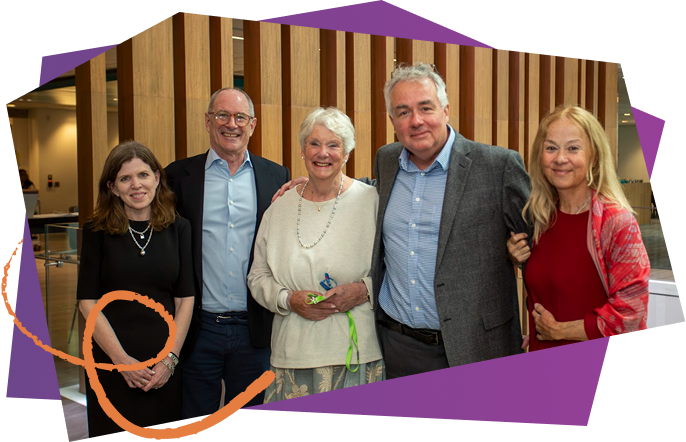
This scholarship was established by Roger and Sue Short, Roger Martin and Jennifer Riel. Their generous donation supports and recognizes the impact of learning Integrative Thinking in K-12 classrooms. We want to thank them for the generous and continued support of this vital scholarship.
How to Apply
To apply, students entering university in the fall of 2027 must submit three pieces in the application form:
A letter telling the selection committee about themselves, their plans for school and their qualifications for this scholarship;
A 250-word essay on how Integrative Thinking has impacted them, personally; and
The name and email address of a teacher or administrator who will be their reference. We will contact the references of the top three applicants.
Payment of the award is conditional on full-time registration at the University of Toronto in the fall of the year the scholarship is granted.
Applications open in 2027.
Celebrating Past Scholarship Recipients

Hear from students whose learning, mindsets and lives were changed by learning Integrative Thinking and Real-World Problem Solving.

“In high school, social science classes sparked my interest because they exposed the political, social, and economic challenges shaping our world today, but they often stopped short of offering solutions. When I was introduced to Integrative Thinking in my Grade 12 Deconstructing Anti-Black Racism class, something clicked. I-Think gave students what traditional classes couldn’t: they didn’t teach us what to think, but rather how to think. Integrative Thinking gives students the tools to face complex problems without feeling hopeless; it helps youth embrace multiple perspectives and build our own pathways toward meaningful solutions.”
– Kawla Mohamed, Human Geography and African Students, 2024 | Student of Joyce Wong, SATEC @ W. A. Porter Collegiate Institute, Toronto DSB


“Integrative Thinking has become a key tool for me in exploring issues. I still strive to find strong solutions to problems in my school, and have decided to use the Integrative Thinking approach in my Black Student Association to build more welcoming spaces for Black students, and find ways to help Black families navigate our school community. Exploring the benefits of different models to remedy this issue has not only helped us find solutions, but has given us a better understanding of the issue itself.”
– Meron Bayu, Political Science, 2024 | Student of Joyce Yoon, SATEC @ W. A. Porter Collegiate Institute, Toronto DSB
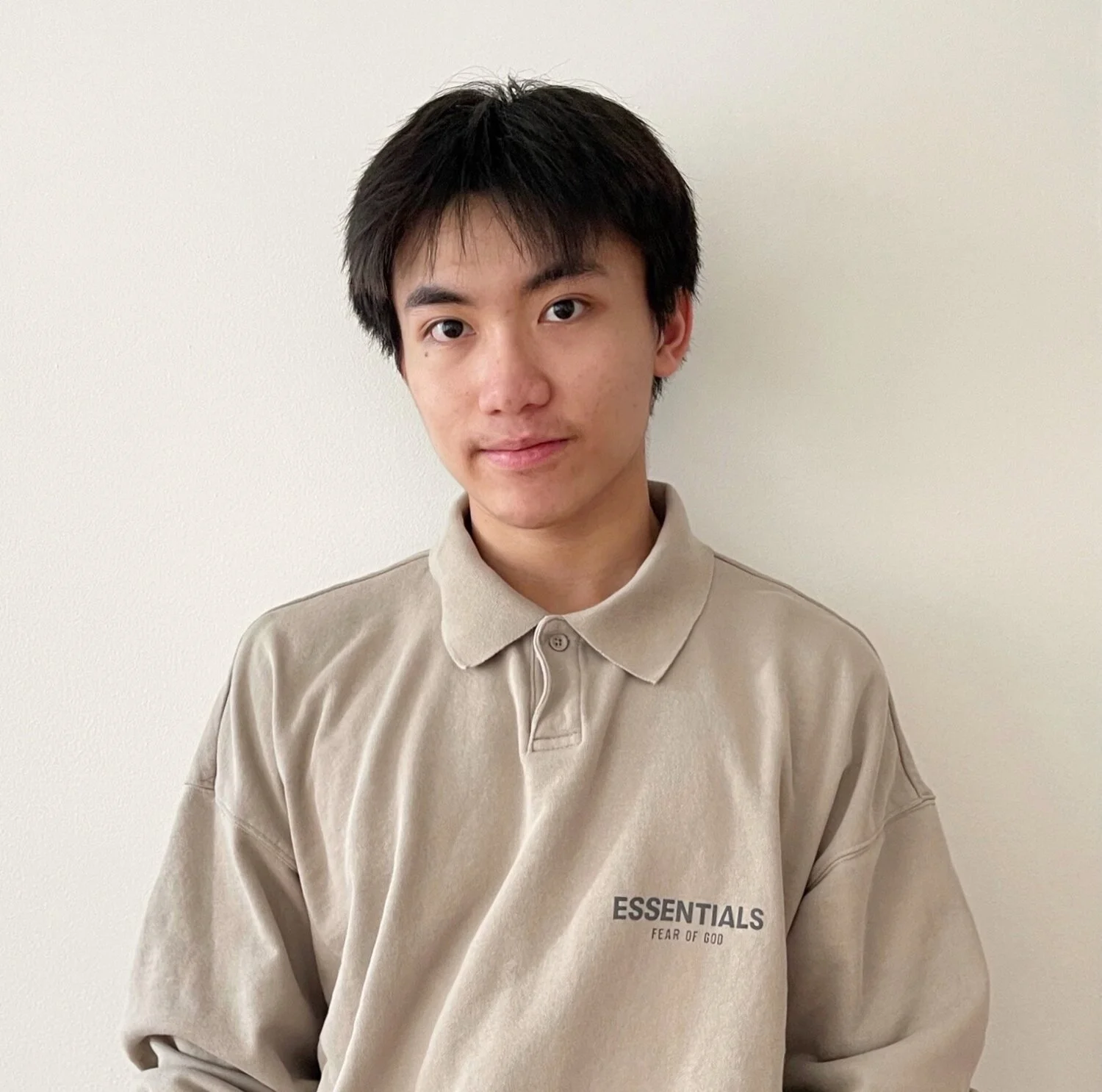

"Integrative Thinking has introduced me to a range of tools that allow me to approach challenges from multiple perspectives. Through the I-STEM program I was given the opportunity to design prototypes to help support housing accessibility, reduce pollution at our local harbour, and explore many other real-world issues. With Integrative Thinking, I learnt to recognize opposing ideas not as obstacles, but as opportunities to seek common ground, explore alternatives, and build innovative solutions that are meaningful."
– Harshit Jain, Computer Engineering, 2025 | Student of Aleksandar Dragicevic, Aldershot District School, Halton DSB
“Integrative Thinking emphasizes the absence of singular “correct” or straightforward resolution, teaching me that coming to an effective solution takes dedication and prioritization. Applying this method helped me gain more patience and motivated me to dig deeper and experiment to achieve the most mutually beneficial solution.”
– Raisa Harusova, Rotman Commerce, 2022 | Student of Jeremy Dickstein, Bloor Collegiate, Toronto DSB


“Integrative Thinking has helped me to resist my natural instinct of forming biases and making assumptions by teaching me to consciously climb up the Ladder of Inference… I’ve learned that I don’t have to choose one options out of two or saying yes to the “either-or” option, but instead, I could seek a more complex path that may be very unusual but still relevant and a lot more advanced as compared to what was given”
– Phuc Tran, Biochemistry, 2021 | Student of Imran Mohamed, John Polanyi Collegiate Institute, Toronto DSB
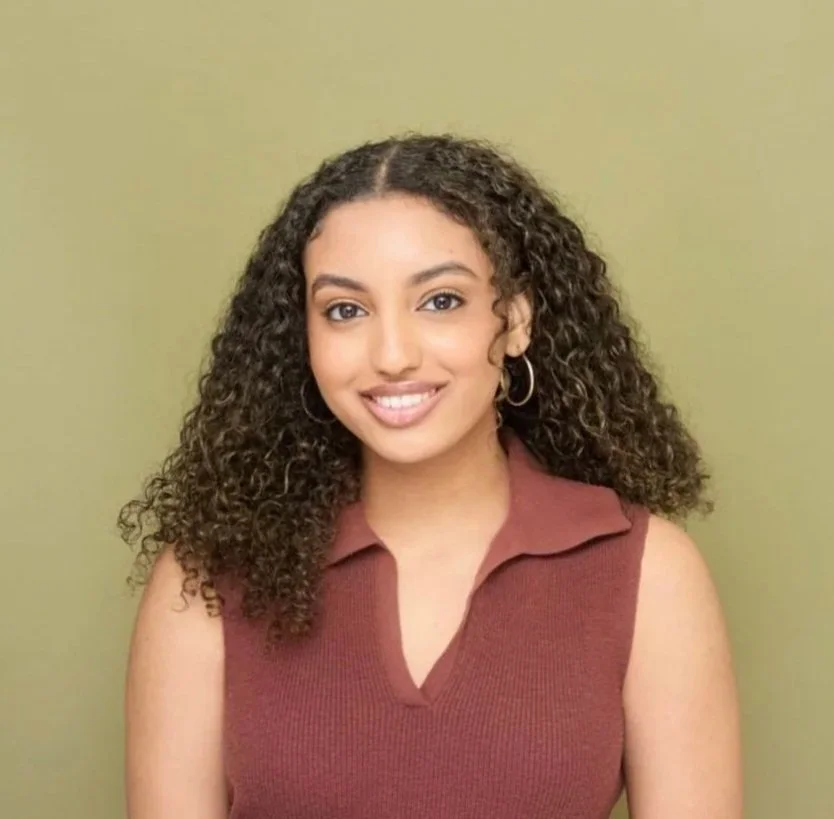
“In my very earnest attempt to uncover my educational path, Integrative Thinking proved to be crucial. It helped me weigh academic proponents against my passions. Utilizing this method of thinking has brought clarity and ease to my reasoning and thought processes—in both academic and extracurricular settings. Integrative Thinking helped me not only choose my educational path but also laid the groundwork for my new mind frame.”
– Arielle Zhivko, Political Sciences & Art History, 2016 | Student of Colleen Court, Hamilton-Wentworth DSB