AfroFuturism Challenge Kit
Engage students in a meaningful exploration of history, culture, and celebration as they design Black History Month/African Heritage Month for their school community. Guided by the imaginative and forward-looking vision of Afrofuturism, students empower themselves to shape a future that honors the past, while imagining what’s possible for the future.


“Afrofuturism can inspire and empower Black students by integrating cultural, historical, and futuristic elements into education, promoting creative problem-solving and innovative thinking.”
- Ingrid LaFleur, a globally recognized curator, design innovationist and Afrofuturist
Looking Back to Look Forward
Every year around the world and in our classrooms we observe African Heritage Month also known as Black History Month. During the month of February, we too often only talk about the past, and often historical stories rooted in trauma. Some folks also celebrate Black Futures Month, shifting the narrative into how to celebrate our present and invest in Black futures. It’s important to remember, and for many to experience, that African and Black history is about more than just slavery and tough times.
This Challenge Kit focuses on Afrofuturism and Heritage. Afrofuturism uses science-fiction and fantasy frames to reimagine the African diaspora’s past and envision hopeful, technologically advanced futures where Black communities thrive; often expressed through art, film, literature, music, fashion, and more. Students centre community voices and design futures that honour history and possibility. Heritage is the living thread of traditions, stories, foods, clothing, places, and practices passed down across generations.
Activities Include:
What is Heritage? Explore the concept of heritage, its various aspects (cultural, historical, natural, built, and intangible), and its importance in shaping communities.
Archiving as Resistance, focuses on the importance of archival work and historical documentation in preserving Black history and challenging dominant narratives. It introduces concepts like archaeology and archiving, and explores often overlooked Black communities in Canada.
Reframing Perspectives: Mental Models of Africa and Blackness, challenge and reframe perspectives on Africa and Blackness. Use visual comparisons to confront common misconceptions about African countries and explore how media representation shapes perceptions and who benefits from these misrepresentations.
AfroFuturism: Dreams and Hope, introduce students to the concept of Afrofuturism and its role in imagining and shaping Black futures. It connects the idea of Sankofa (looking to the past to inform the future) with Afrofuturism's vision of technologically advanced and hopeful futures for Black people.

“I am using this Challenge Kit as a starting point to offer the Deconstructing Anti-Black Racism next academic year (25/26) for senior students. This process has lent much of the student's voice in helping construct the course outline. I would like to continue to use this specific challenge as a way of keeping the course culturally relevant to students.” - High School Teacher
“Black culture is really important to some people and especially those who celebrate it. And if we don’t learn about it more and express it more it will be forgotten.”
- Middle School Student
A Peek Inside
This Challenge Kit is our first to explicitly use art as a way of exploring and co-designing African Heritage Month. Students will leverage Afrofuturism; a creative genre found in books, music, art, and more to imagine the future while centering Black culture and heritage. A great example of Afrofuturism that many students would know is Black Panther.

Students’ guiding challenge is:
How might we make African Heritage Month and beyond meaningful to our school community?
Curriculum-Connected Activity Plans
Reframing Perspectives: Mental Models of Africa and Blackness ➔
Information to Send Home

This Challenge Kit features voices of leaders in Afrofuturism, sharing their experiences, insights, and questions to help students explore Afrofuturist concepts, strategies, and tools.


Kim Bernhardt
Labour Arbitrator, after spending her career as a human rights and labour law lawyer
Rickard Mauvais
Supply Chain Engineer at SpaceX
Racheal Saunders
Transportation Engineer, City of Toronto

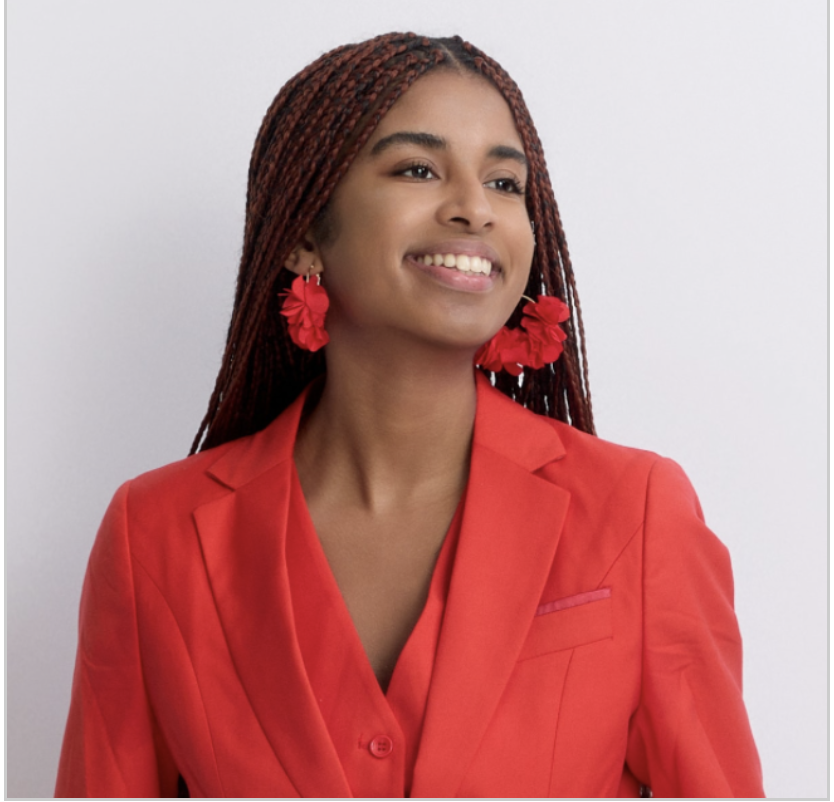
Queen Kukoyi & Nico Taylor
Oddside Arts Co-Lead
Hannah Permaul Flores
Poet and fourth-year undergraduate student at the University of Toronto, aspiring environmental epidemiologist
Challenge Kit designed by: Shelly Campbell
Shelly Campbell is a dynamic multidisciplinary artist, poet, and educator. Her passion for youth empowerment, creative education, and community building drives her work in both the arts and education sectors. She holds a deep commitment to fostering environments where students, particularly those from marginalized communities, can thrive. Through her work as an arts educator, she also explores Afrofuturism, using it as a lens to imagine alternative futures for Black communities. Her poetry and interactive installations have been showcased internationally.
Challenge Kit Contributors:
Alexiis Stephen
Alexiis Stephen is an educator, leader, and innovator with a Master of Education in Social Justice Education. She currently serves as a Vice-Principal in the Halton District School Board and is committed to being a community minded, anti-oppressive leader that places equity, belonging, achievement and, well being at the center of every decision.
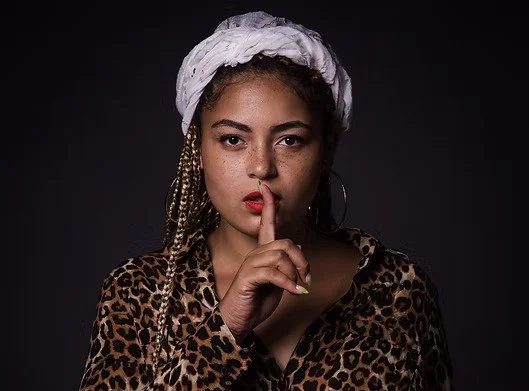
Tynesha Hibbert
For the past 10 years, Tynesha Hibbert has been an impactful elementary teacher with the TDSB, specializing in the junior division. Her teaching philosophy is rooted in a strong dedication to student achievement, equity, diversity, anti-racism, and anti-oppression, always striving to create inclusive and empowering learning environments. Beyond teaching, Tynesha is actively involved with the Toronto Blue Jays and the City of Toronto. Her personal interests include biking and, despite a previous wrist injury, she bravely and gingerly attempts to snowboard.