
No. 2 Construction Battalion Legacy Project
The No. 2 Construction Battalion Legacy Project, reflects I-Think’s ongoing commitment to many remarkable possibilities. In our Remembrance Day Challenge Kit, students are invited to see themselves as participants in remembrance, with a responsibility to:
Expand the experiences we honour and remember
Deepen our learning to add complexity to those experiences
Be historically accurate in our remembering
The Remembrance Day Challenge Kit
Each year, schools across Canada observe Remembrance Day, yet many students struggle to connect meaningfully with its purpose. Too often, ceremonies can feel distant and the history presented, overly simplified. Schools today are very different from those that first marked Armistice Day more than a century ago. Students are continuing to navigate a world shaped by conversations about gender equality, racism, homophobia, environmental responsibility, and the protection of human and animal rights, to name a few. These issues are not new; they have deep roots in history. When we help students see those connections, Remembrance Day no longer feels distant. There is every reason for young people to see themselves in history and to engage with it thoughtfully and critically.
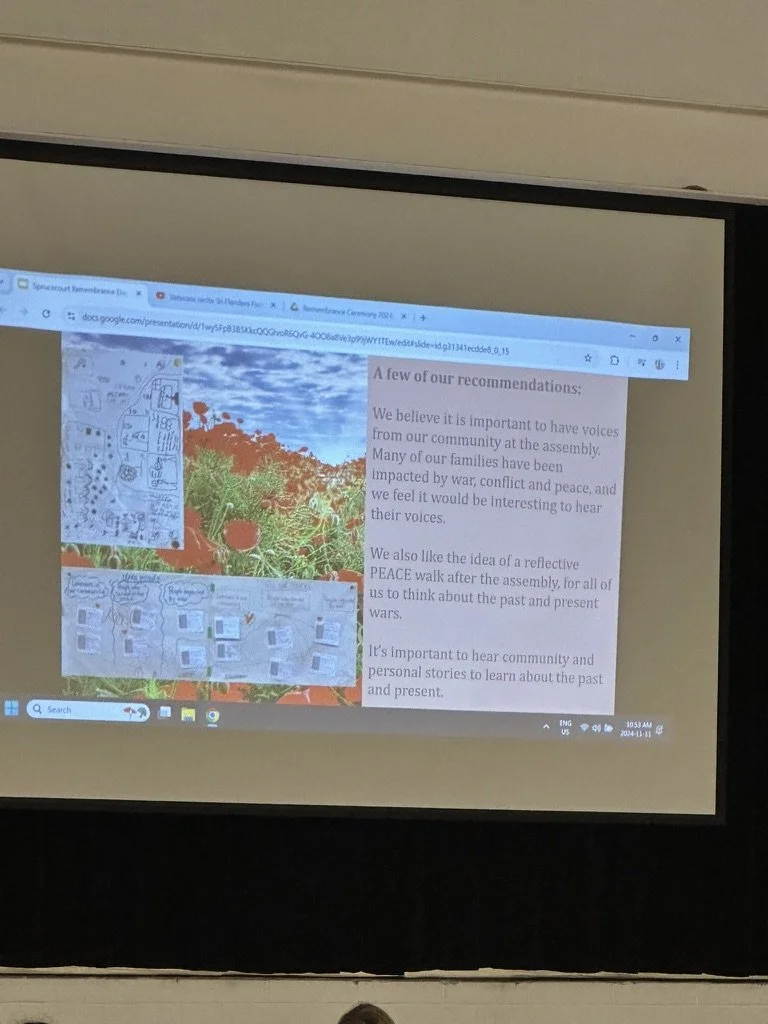
Students explored the guiding question: How might we help our school design Remembrance Day to be meaningful to our school community?
Funding from Veterans Affairs Canada was to ensure learning for young Canadians about the No. 2 Construction Battalion; the only all-Black battalion in Canadian military history. The Black men who served are frequently absent from curriculum and commemoration. This absence limits students’ understanding of Canadian history and narrows what remembrance looks like in practice.
This Challenge Kit and accompanying materials designed by I-Think and our Teacher Mentors were designed to transform Remembrance Day into an active learning experience.
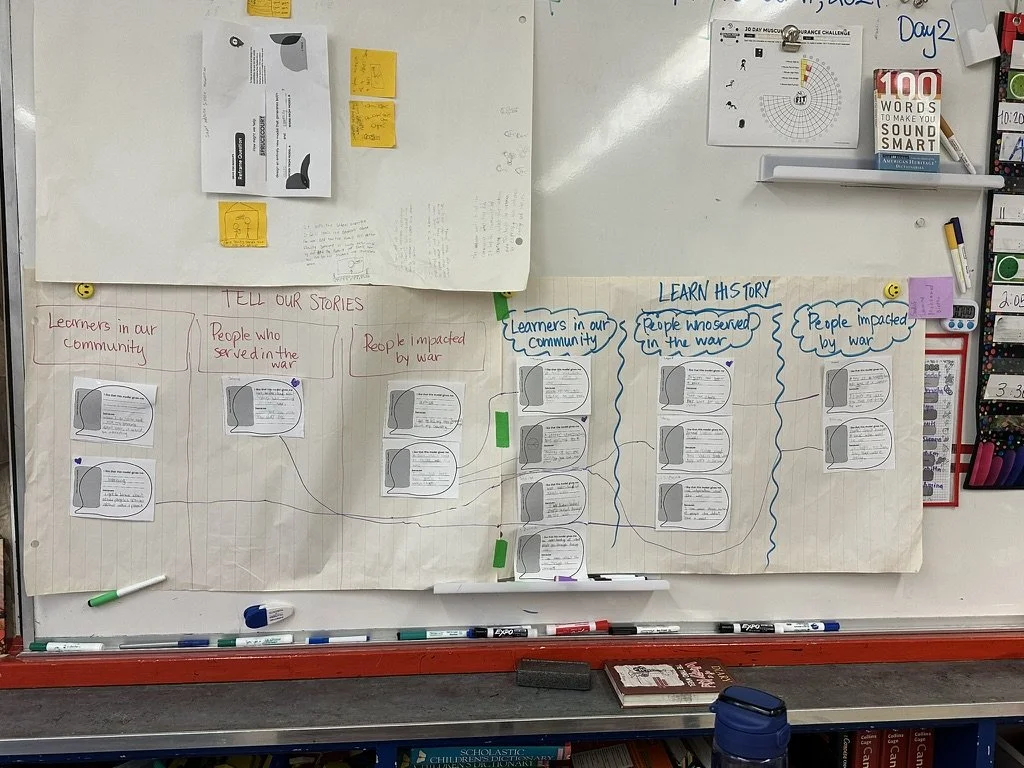
Central to the Remembrance Day Challenge Kit is the No. 2 Construction Battalion series created by educator Tamara Phillips. It features five Activity Plans on the themes of:
What is Remembering?
Expanding who and what we remember
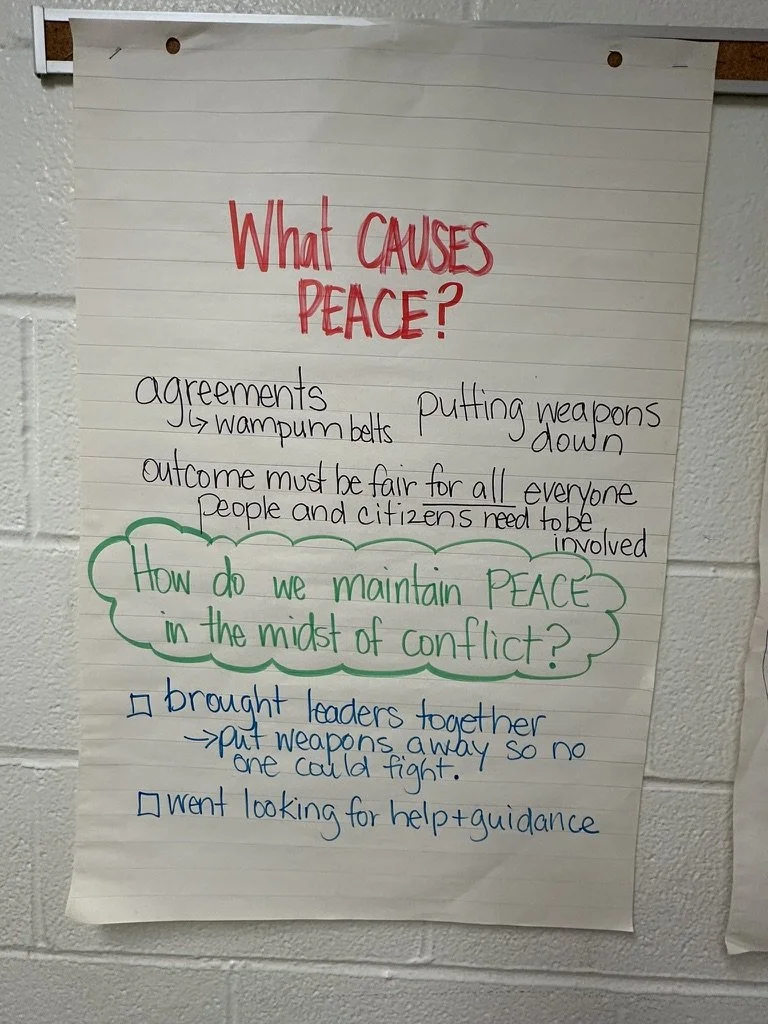
Deepening our understanding of peace
Historical accuracy and building criticality
Our collective responsibility
Accompanying the Activity Plans are videos featuring historian and former curator of the Buxton National Historic Site and Museum, Spencer Alexander. Drawing on both historical research and family stories, including those of his grandfather; whose letter to the Canadian Minister of Defense during the First World War, Sam Hughes, advocating for Black Canadians to be able to serve in the military is in the Ontario Archives. Spencer connected the Battalion’s legacy to the Underground Railroad, the First World War, D-Day, and present-day reflections on remembrance and identity. His storytelling grounded historical facts in lived experience, helping students understand remembrance as personal, complex, and ongoing.
EXPANDing how and who we remember: Spencer Alexander on memory and the Great War
Spencer Alexander shares the story of his Grandfather Arthur Harding Alexander writing to Sam Huges, then the Minister of Militia and Defence in 1914. The letter in the Ontario Archives challenges the discrimination against Black Canadians from enlisting. This letter, along with others, contributed to the forming of Canada’s No. 2 Construction Battalion.
DEEPENing our understanding of history and the stories we tell: Spencer Alexander on the Second World War
Spencer Alexander shares the story of his Father John Arthur Shreve Alexander in the Second World War, voluntarily enlisting from Chatham, Ontario. His ship was one of the first to land on D-Day. In this video Spencer shares five stories from his father's experience.
Identity, oral history and understanding: Spencer Alexander on how we can grapple with HISTORICAL ACCURACY when we remember
Spencer Alexander on the importance of oral history. In this video, Spencer takes us to significant places including the Walpole Island First Nation Powwow; his daughter is a member of the Walpole Island First Nation. In Anishinaabemowin, it is named Bkekwanong, meaning “where the waters divide” in Anishinaabemowin.
Student Reflections and Engagement
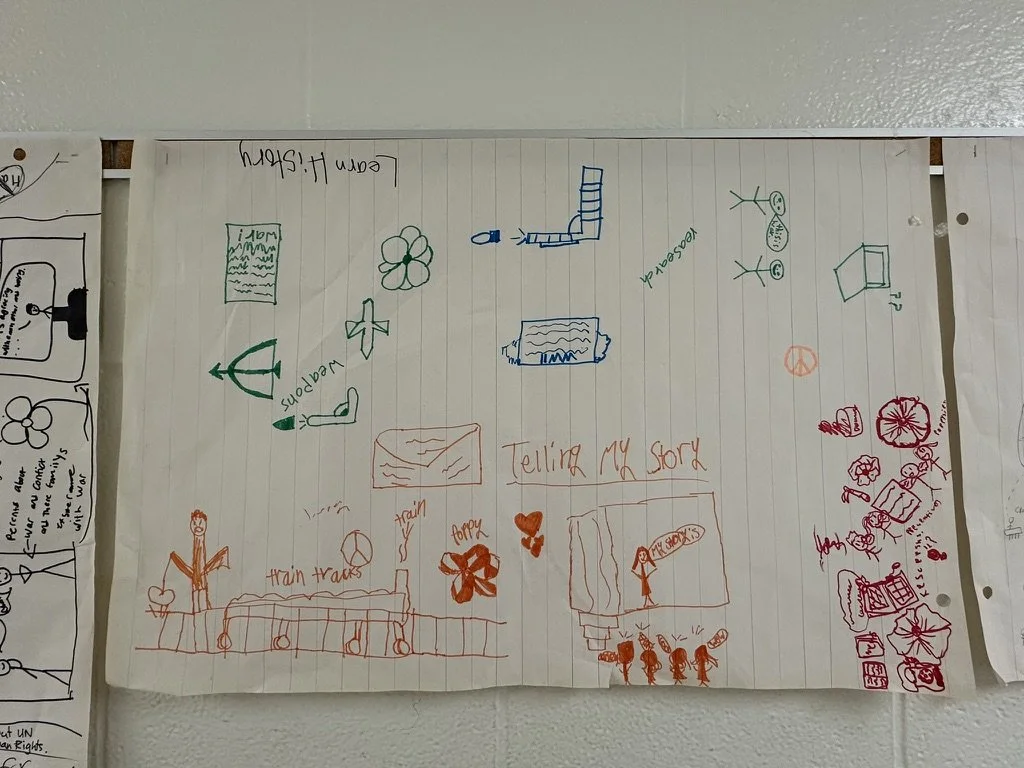
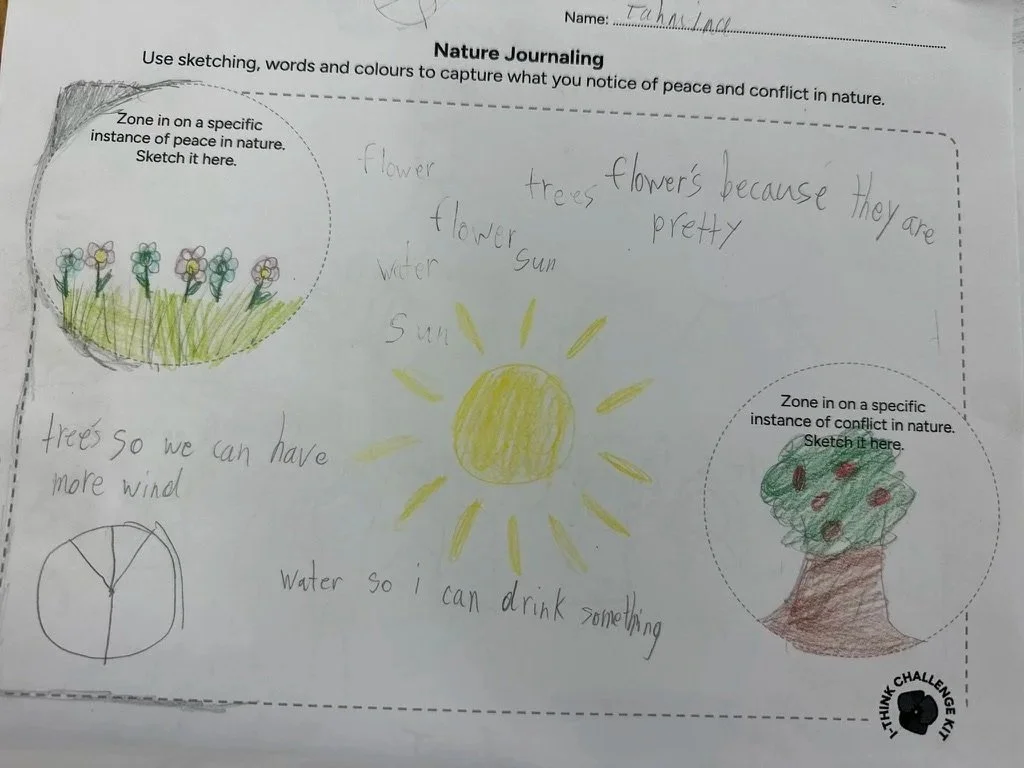
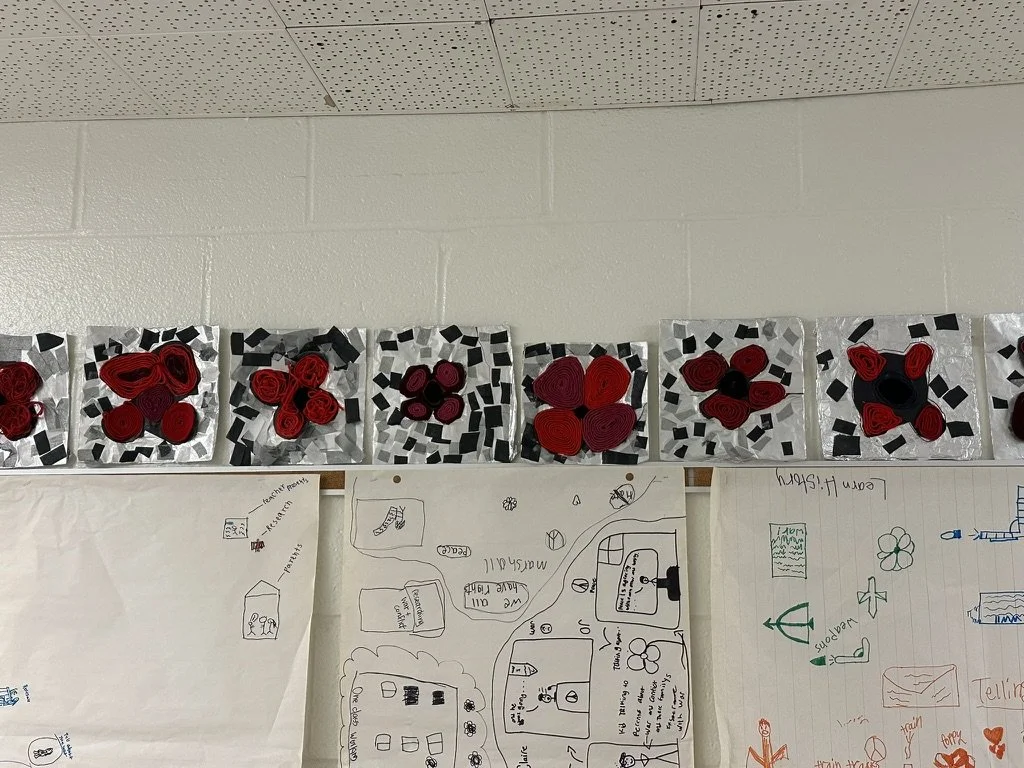
Across classrooms, the story of the No. 2 Construction Battalion supported conversations about remembrance, antiracism, and historical exclusion. Several patterns emerged in student thinking. Many students expressed surprise at learning about the Battalion for the first time and questioned why this history had not been part of their earlier education.
As part of the project, Sprucecourt Public School in the Toronto DSB also gathered for a special in-person learning experience. Students connected with one another, walked through a No. 2 Construction Battalion exhibit, and learned from Captain Kevin Majors, further grounding their classroom learning in lived military experience.
The project demonstrates how remembrance can be both an act of honour and a meaningful learning experience that invites students to carry history forward with care and responsibility.
Activity Design
The No. 2 Construction Battalion activity series was created by Tamara Phillips, Instructional Program Lead with the Halton District School Board, who brings over 20 years of experience in secondary literacy, curriculum design, and professional learning. Her work is rooted in evidence-based practice and a belief that students deserve access to rich, human stories. With care and intention, the series was designed to bring lesser-told histories into everyday classroom learning, not as exceptional moments, but as integral to how students understand Canada’s past.
