Well-Being Challenge Kit
Developing a personal and communal sense of well-being can empower every student to confidently navigate the challenges and promise of the future. This resource was created in 2024 with updates since.
This Challenge Kit is available in English and French.

“One-third (33%) of students report that they felt they needed professional mental health support during the past year, but did not seek it.”
- OSDUHS 2023 Mental Health & Well-Being Report, Summary (page vii)
School Communities
Deserve Well-Being
We created this unit as a vehicle for classrooms and schools to meaningfully engage in the conversation of well-being in schools. Students today are navigating stress, identity, connection, and pressure, often without the tools or time to reflect on how manage their own sense of well-being. It’s a hard truth, but a changeable one. Students need opportunities to develop agency when it comes to their well-being. Importantly, there is more understanding and research about what actions young people can take and skills they can build to support their own and collective well-being. Through the Well-Being Challenge Kit, more than 10,000 students have explored what this looks like in practice. Students like Jihan, who won the 2026 RJS Scholarship, have created initiatives that change trajectories for themselves and their communities.
In this Challenge Kit, students consider how they and the school community can support well being as they learn about:
Personal Harmony
Our well-being has different parts to it: physical, mental, emotional, social, and, for some, spiritual. Well-being is also about finding meaning in life that creates a sense of belonging. We want our well-being to be working together in harmony, so that each part is working together to keep us well.
Community Health
Every community, whether online, in-person, local, or global, is built on relationships. By reflecting on how we connect with others and engaging meaningfully, we can help make our communities stronger. By reflecting on how we connect with others and engaging in meaningful ways, we can help make our communities healthier and more supportive.
Environmental Interconnectedness
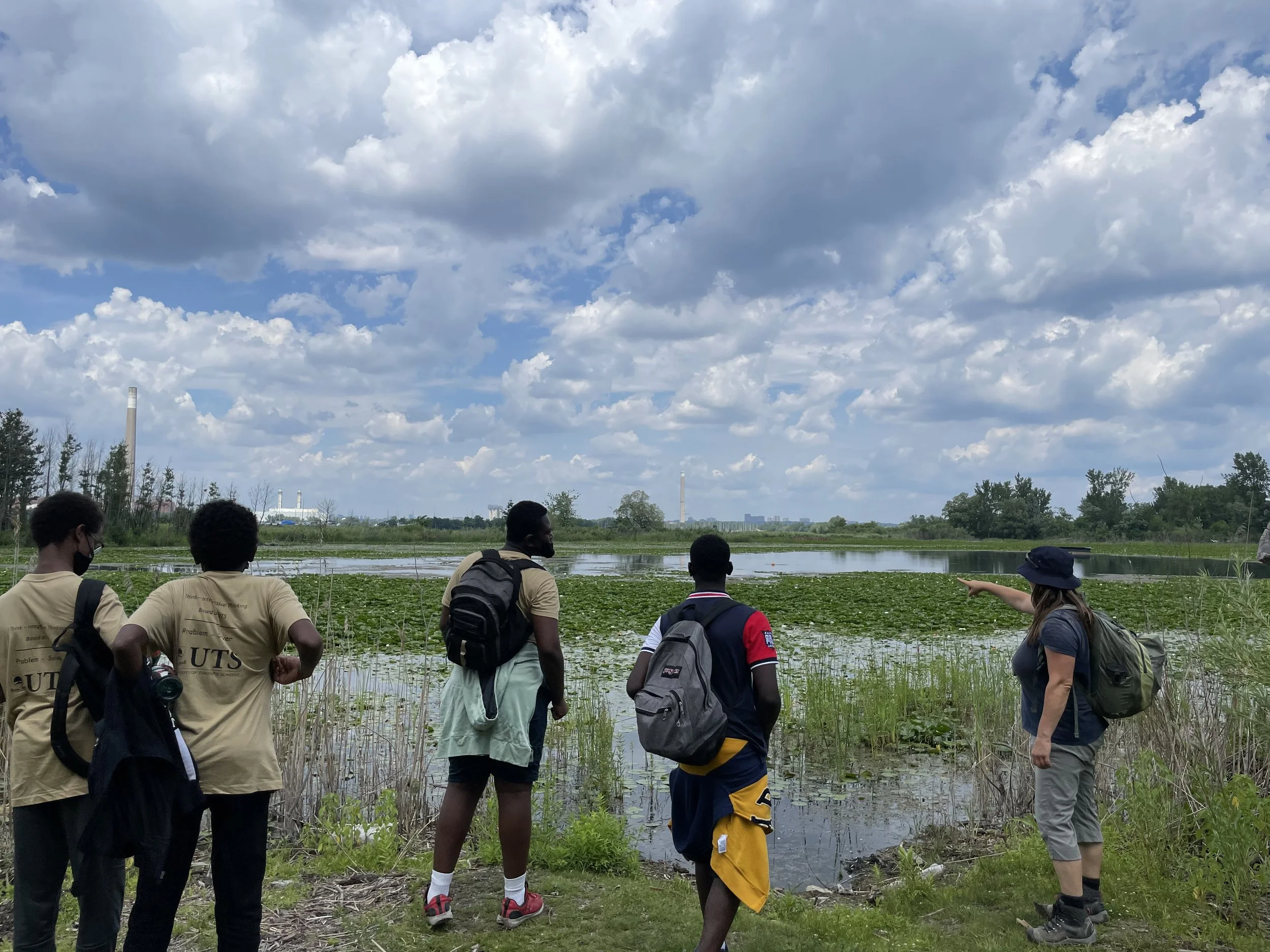
Like an ecosystem, we all thrive when we care for the spaces we share. Environmental well-being means acknowledging our role in the health of our homes, schools, and broader environments. When we care for these spaces, everything thrives—because, like an ecosystem, we’re all connected.
This project was generously funded by the O'Neil Foundation
Access this Challenge Kit
This Challenge Kit includes:
Facilitator Notebook
Letter to Students for K - 3, 4 - 6 and 7 - 12
Teacher Slide Deck
Capture Your Thinking Handout
And inquiry-based activities to ignite curiosity
There are 3 sets of resources with this Kit. Mix and match the resources to engage students in deep thinking and problem solving.
1. Inquiry-Based Activities (in Zip file)
Each of our themes has activities that have been modified for K - 3 and 4 - 12. Activities include poetry writing, interviewing local changemakers, and art-making. Activities include:
Writing a letter of self-compassion
An individual and collaborative “I am from” Poem, an activity created by Kathleen Gould Lundy
Writing six word stories about special people, places and nature
Photography and collage making of meaningful spaces
2. Video Interview for Students →
This Challenge Kit brings together voices of people leading work within communities on well-being, offering their experiences, insights, and questions to help students learn about well-being concepts, strategies and tools.
Ruth Silver: Principal, Groundswell
Hafiz Printer: Education Specialist, Aga Khan Museum
Andrea Thompson: Marketing and Communication Manager, FoodShare Toronto
Zoe Barnes: Restorative Justice Program Coordinator, Peacebuilders Canada
Adil Dhalla: Director of Community, Reset
Aniqa Qadir: Songwriter, Music Teacher and Performer
Suse Silva: Holistic Mental Health Practitioner
Javan Courtney: Changemaker, Community Health and Engagement
3. Videos for Educators →
This video series is for educators, covering topics on well-being. Educators have shared this with each other, and used them in staff meetings. The series features:
Emotions, Learning and Our Well-Being with Dr. Jean Clinton
Being trauma informed with Suzanne Methot, author of Legacy: Trauma, Story, and Indigenous Healing
Systems of Oppression Impact Well-being with Ryan Fuentes, community educator and social worker
Co-Developing Social Emotional Learning (SEL) for Well-Being - with Kristen Cairney, Program Director at Wyndham House and a Social Worker, and Tracy Hunter, school board Experiential Learning Lead
Finding Joy In Movement for Holistic Well-Being with Dr. Leigh Vanderloo, Knowledge Translation Manager at ParticipACTION
“I have found for the kids, though it is not therapy, going through the process [of the Challenge Kit] has been like a form of therapy. They are able to engage with this content in an impactful way, have time to reflect on the materials, and it’s showing up in their daily lives. They want to solve the problem yes, but they want to improve their own lives through this content.”
- Middle School Parent Reflection
A Peek Inside
While we hear about well-being in many contexts, few students gain the tools and experiences to bring it into their own lives. The Well-Being Challenge Kit changes that by giving students space to reflect, test ideas, and design practical ways to care for themselves and their community.

Students’ guiding challenge is:
How might our school community be partners with students to support their well-being?
Curriculum-Connected Activity Plans
‘I Am From’ Poem - Activity 2 →
Environmental Interconnectedness: Exploring our favourite places →

Challenge Kit designed by
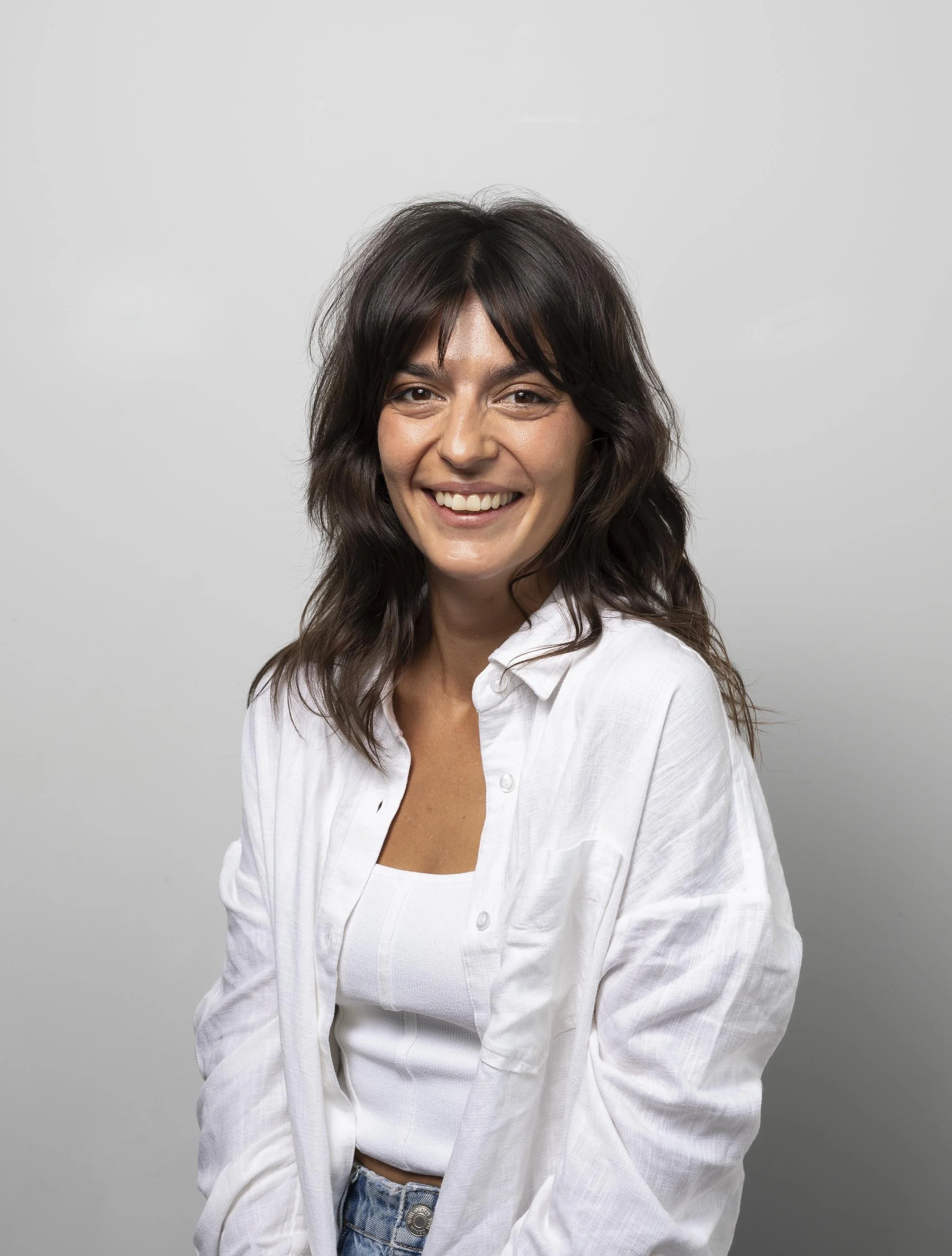
Rena Taylor
Rena Taylor is a bilingual Learning & Development Specialist and Program Lead with extensive experience designing and facilitating education for learners ages 4–60. She also founded a comedy festival to amplify underrepresented and tokenized artists, championing Canadian talent nationally and globally.